The Top Benefits of Early Wisdom Teeth Removal
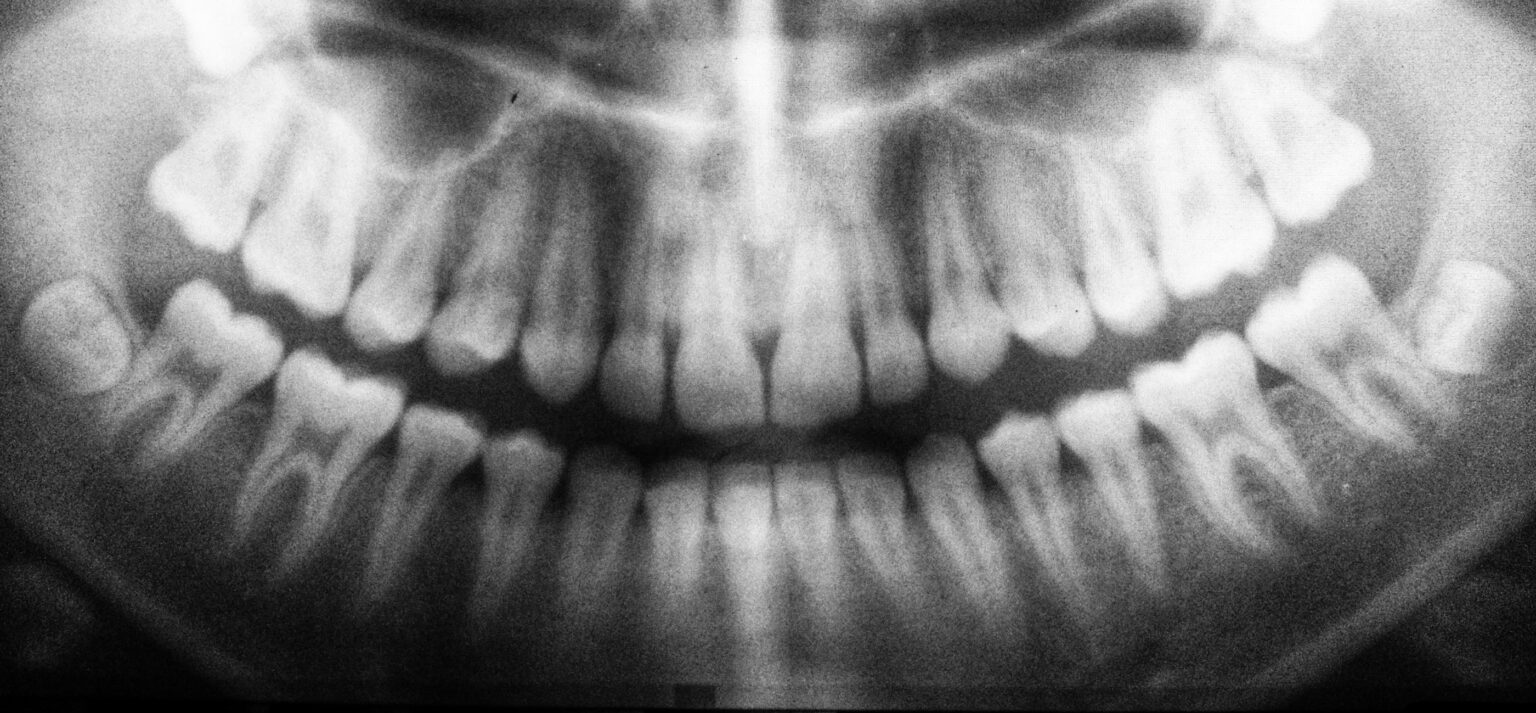
Few dental decisions create as much hesitation as wisdom teeth removal. Patients often ask the same practical questions in slightly different ways. If the teeth are not hurting, why remove them? If they are still below the gums, is surgery really necessary? If a teenager feels fine, would it be better to wait and avoid a procedure altogether?
Those questions are reasonable. In many areas of healthcare, less intervention is often the wiser choice. Wisdom teeth are a little different. In practice, the timing of removal can change the difficulty of the procedure, the quality of healing, and the likelihood of avoiding larger problems later. Early removal is not automatically right for every person, but when wisdom teeth show signs that they are unlikely to erupt normally, acting sooner often gives patients the best outcome with the least disruption.
The term "early" usually means evaluating and, when appropriate, removing third molars in the mid-teen years through the early twenties, often before roots have fully developed and before the teeth begin causing repeated trouble. That window matters more than most people realize.
Why timing matters more than people expect
Wisdom teeth are the last permanent teeth to develop. By the time they begin trying to emerge, the jaw often does not have enough room to accommodate them in a healthy position. Some come in upright and function reasonably well. Many do not. They may tilt forward into the second molars, remain trapped under bone or gum tissue, or partly erupt in a way that creates a chronic pocket where bacteria collect.
The central issue is not simply whether the tooth is visible. It is whether the tooth has a realistic path to erupt and remain clean, comfortable, and stable over time. Dentists and oral surgeons look at angulation, available space, gum position, root development, and the relationship to nearby nerves and sinuses. A wisdom tooth can be symptom-free today and still be a setup for infection, decay, or damage in the near future.
Younger patients usually have a biological advantage. Bone tends to be less dense, roots are often not fully formed, and healing capacity is generally stronger. That combination can make the surgery more straightforward and recovery smoother. Waiting does not always create a problem, but when problems do develop later, they often arrive with more pain, more inflammation, and a more complicated procedure.
The most practical benefit: fewer painful emergencies
One of the biggest advantages of early Wisdom Teeth Removal is avoiding the cycle of sudden flare-ups that sends people searching for an urgent appointment. A partially erupted wisdom tooth is especially notorious for this. The gum tissue over the tooth can trap food debris and bacteria, leading to a localized infection called pericoronitis. Patients usually describe it in very specific terms: a sore flap of gum, pain when chewing, a bad taste, swelling near the back of the mouth, and sometimes difficulty opening wide.
These episodes rarely happen at convenient times. They show up before exams, during travel, just before a wedding, or during a busy stretch at work when taking several days to recover feels impossible. Early removal, done on a planned schedule while the area is calm, is usually far easier than treating a tooth after repeated infections have already started.
There is also a basic quality-of-life issue here. Recurrent inflammation in the far back of the mouth affects eating, sleep, and concentration. Patients often adapt more than they realize. They chew on one side, avoid certain foods, and live with the expectation that the area will "act up" again. That low-grade disruption tends to disappear from the conversation because it becomes normal. Once the teeth are removed and healing is complete, many people are surprised at how much background irritation they had been tolerating.
Protecting the second molars
When wisdom teeth are poorly positioned, the neighboring second molars often pay the price. This is one of the most compelling reasons clinicians recommend early intervention.
A wisdom tooth that leans forward can press against the second molar and create a plaque trap that is extremely difficult to clean. Over time, this can lead to decay on the back surface of the second molar, precisely where patients cannot see and where a toothbrush struggles to reach. By the time it is detected on an X-ray, the damage may already require a filling, root canal treatment, or in severe cases compromise the long-term prognosis of a tooth that otherwise could have lasted decades.
The risk is not only decay. Impacted or partially erupted wisdom teeth can also contribute to bone loss and periodontal defects behind the second molars. In plain terms, the supporting structures of the healthier front tooth begin to erode because of the awkward, unhygienic position of the wisdom tooth behind it. That matters because preserving a second molar is far more important than preserving a nonfunctional third molar.
From a preventive standpoint, early Wisdom Teeth Removal often serves a bigger purpose than simply removing a troublesome tooth. It helps protect the teeth that do the bulk of the chewing and that are far more valuable over a lifetime.
Easier surgery and smoother recovery in younger patients
Age is not the only variable that determines recovery, but it is a meaningful one. A patient in their late teens with partially developed wisdom tooth roots is often dealing with a simpler procedure than a patient in their thirties whose roots are longer, whose bone is denser, and whose teeth may be closer to critical structures.
This is one of those patterns that becomes obvious with experience. Younger patients do not always sail through recovery without swelling or soreness, but they usually bounce back faster. They are less likely to describe lingering stiffness, prolonged tenderness, or the drawn-out healing that can happen later in life. The difference is not dramatic in every case, but it is common enough to shape treatment recommendations.
There is also the technical side of surgery. When roots are still forming, removing the teeth may require less bone removal and less manipulation. That can reduce operating time and tissue trauma. It does not turn oral surgery into a trivial event, but it can make the overall process more efficient and predictable.
Patients and parents often assume that waiting until the teeth are fully developed is somehow safer because the anatomy is "finished." In practice, fully developed roots can increase the challenge, particularly if they curve, diverge, or lie near the inferior alveolar nerve in the lower jaw. Earlier evaluation gives the clinician more options.
Lower risk of damage from long-term impaction
An impacted wisdom tooth is not automatically dangerous, and not every impacted tooth must be removed. The problem is that long-term impaction is not always harmless either.
Some impacted teeth remain stable for years without incident. Others develop cyst-like changes around the crown, contribute to resorption of adjacent roots, or create hidden pockets of inflammation. These are not everyday outcomes, but they are well recognized concerns. The difficulty is that the patient may not feel anything while the process unfolds. Relying on pain alone is not a reliable strategy because dental problems often become symptomatic only after damage has progressed.
Routine X-rays can monitor impacted wisdom teeth, but monitoring works best when both Wisdom Teeth Removal the patient and provider are consistent and when the tooth truly appears low risk. Early removal reduces the need for prolonged surveillance and the uncertainty that comes with "watching and waiting" on a tooth that has little functional value.
That is part of the broader clinical judgment. If a wisdom tooth is unlikely to erupt into a clean, useful position and already threatens nearby structures, the burden of proof shifts. The question becomes less about preserving the tooth and more about preventing predictable future problems.
Better orthodontic and restorative planning
Wisdom teeth often enter the conversation during orthodontic treatment, but their influence extends beyond braces. Dentists think in terms of the whole mouth over time. Space, gum health, bite relationships, and access for future dental work all matter.
If someone is finishing orthodontic care, lingering wisdom teeth can complicate retention and make oral hygiene harder in the back of the mouth. While wisdom teeth do not single-handedly "cause" all late crowding, a poorly positioned third molar can still create local pressure and hygiene issues that undermine the stability and cleanliness of the back teeth.
For patients who may need crowns, bridges, implants, or periodontal treatment later, healthy tissue behind the second molars is valuable. Early Wisdom Teeth Removal can preserve that environment. It is much easier to maintain and restore a mouth when the far back corners are not chronically inflamed, difficult to clean, or vulnerable to recurring infection.
In adults, especially those who have invested significantly in orthodontics or restorative dentistry, removing problematic wisdom teeth early can be viewed as protective maintenance. It supports work that is already in place and reduces the risk of preventable setbacks.
Recovery can be scheduled on your terms
This is not a medical Wisdom Teeth Removal benefit in the strictest sense, but it matters to patients. Planned surgery is different from unplanned surgery. When wisdom teeth are removed early, the timing can often be coordinated around school breaks, slower work weeks, athletic off-seasons, or other practical windows when a few recovery days are easier to manage.
That logistical control has real value. People can arrange transportation, set up meals, fill prescriptions ahead of time, and create a calmer recovery environment. Compare that with trying to address an infected wisdom tooth after several sleepless nights, facial swelling, and difficulty chewing. The treatment may still go well, but the stress level is much higher.
I have heard many versions of the same story from patients who waited because the teeth "weren't a big deal yet." The delay makes sense at the time. Then a flare-up happens right before a major event, and the patient suddenly wishes the issue had been handled during a quieter season. Early action is not only about physiology. It is also about avoiding the chaos of reactive care.
The financial picture is often better earlier
No ethical clinician should reduce a surgical decision to cost alone, but finances are part of real life. Early Wisdom Teeth Removal can be less expensive in the broader sense because it may prevent downstream treatment.
A difficult wisdom tooth can trigger multiple office visits, prescriptions, emergency evaluations, deeper cleanings around the second molars, fillings, or more extensive treatment if the adjacent tooth is damaged. If recurrent infections lead to surgery later, the procedure itself may also be more involved. That does not mean early removal is always cheaper on day one, but it can reduce cumulative expense over time.
Insurance also plays a role. Coverage varies widely, especially as patients age out of dependent plans. A teenager or college-age patient may have better benefits available than the same person will a few years later. That factor should never drive care by itself, but it can reasonably influence timing when removal is already clinically appropriate.
Early does not mean automatic
The strongest case for early removal exists when the evidence points to likely future trouble. It is important to say that clearly because not every wisdom tooth is a problem tooth, and not every person needs surgery.
Some wisdom teeth erupt normally, align well with the bite, and can be kept clean. Some impacted teeth remain deeply embedded and appear stable without threatening adjacent teeth or surrounding bone. In those cases, careful monitoring may be the more sensible path. Good dentistry is not about removing teeth by habit. It is about matching treatment to anatomy, risk, and the patient’s overall health picture.
A thoughtful consultation should cover the likely path of eruption, current X-ray findings, the position of the roots, the chance of future infection or damage, and the patient’s ability to keep the area clean. Age, medical history, anxiety level, and recovery support at home also matter. The best recommendations usually come from this full context, not from a one-size-fits-all rule.
Situations where acting sooner is especially helpful
Certain patterns make early removal particularly appealing because the balance of benefit to burden is favorable.
- Wisdom teeth that are partially erupted and repeatedly inflamed
- Teeth angled into the second molars or creating a visible hygiene trap
- Cases where orthodontic or restorative treatment would benefit from a healthier back-tooth environment
- Teeth with limited room to erupt based on clinical exam and imaging
- Patients in the late teen to early adult years before roots and bone make surgery more difficult
These are not rigid categories, but they reflect scenarios where delaying often adds little value and may increase risk.
What patients usually want to know about recovery
Most healthy patients recover from wisdom tooth surgery without major difficulty, especially when they follow instructions closely. The first few days are usually the most noticeable. Swelling, stiffness, and soreness tend to peak around day two or three, then improve steadily. Many people are back to light routines within a few days, though full healing of the sockets naturally takes longer.
The details matter. Good hydration, soft foods, careful oral hygiene, and avoiding smoking or vigorous suction make a difference. So does rest. Patients often underestimate how much better they feel when they take the first 48 hours seriously rather than trying to push through a normal schedule.
One nuance worth mentioning is that the "easy recovery" stories and the "rough recovery" stories can both be true. Recovery varies based on tooth position, number of teeth removed, surgical complexity, and individual healing patterns. Early removal does not guarantee a perfectly comfortable experience. It shifts the odds toward a simpler one.
Questions worth asking at the consultation
A short, informed conversation with the treating dentist or oral surgeon often clears up most of the uncertainty. The most useful questions are usually practical rather than dramatic.
- Do these teeth have enough room to erupt and stay clean?
- Are they affecting or threatening the second molars?
- How developed are the roots right now, and does timing change the difficulty?
- If we wait, what specific problems are most likely in this case?
- What should recovery realistically look like for these teeth and this patient?
Those questions help move the discussion away from vague fear and toward individualized decision-making.
The bigger benefit is prevention
The real advantage of early Wisdom Teeth Removal is not simply getting a procedure over with. It is preventing a chain of avoidable problems while the biology is still favorable. Fewer infections, better protection for the second molars, easier surgery, and more predictable healing all flow from that preventive mindset.
Dentistry tends to be at its best when it is anticipatory rather than reactive. A wisdom tooth that is trapped, tilted, partially erupted, or impossible to clean rarely becomes more cooperative with time. If the evidence suggests it is headed for trouble, early removal often represents the most conservative long-term choice, even if surgery sounds more aggressive in the moment.
For patients and families weighing the decision, the key is not to focus only on whether the teeth hurt today. The more important question is what the teeth are likely to do next, and whether handling them now could spare pain, damage, and complexity later. In many cases, that is exactly what early treatment accomplishes.
Oxnard Dentistry
1730 E Gonzales Rd, Oxnard, CA 93036, United States
+1 805-307-8731
FAQ About Wisdom Teeth Removal
How painful is it to remove a wisdom tooth?
Local anesthetic numbs the area during extraction. Pressure may still be noticeable; tell the dentist if you feel pain. Soreness and swelling afterward are common. Follow the pain-control instructions provided for your situation.
How long is recovery for wisdom teeth extractions?
Recovery varies with the tooth position and complexity of the extraction. Some people resume routine activities quickly, while others need several days of rest. Soreness, swelling and jaw stiffness can last up to two weeks. Follow your clinician's aftercare and activity advice.
What are the risks of wisdom tooth removal?
Possible complications include dry socket, infection, persistent bleeding and changes in sensation from nearby nerve injury. Your dentist or oral surgeon should explain your individual risks before treatment. Seek prompt dental advice for bleeding that will not stop, fever, or severe or worsening pain and swelling.