Veneers Oxnard CA: A Cosmetic Upgrade That Lasts
A great smile rarely comes down to one perfect feature. More often, it is the way everything works together, color, shape, symmetry, proportion, and how naturally the teeth fit a person’s face. Veneers have become one of the most reliable ways to improve all of those elements at once. For patients considering Veneers Oxnard CA, the appeal is easy to understand. Veneers can brighten stained teeth, smooth out chips, close small gaps, and create a more balanced smile without the drawn-out process that comes with orthodontics or the compromises that sometimes come with bonding.
What makes veneers especially compelling is longevity. Done well, they are not a quick fix that starts failing after a year or two. They are a durable cosmetic upgrade that can look refined and natural for a decade or longer. The key is not only the material itself, but also planning, case selection, and precision in how the veneers are designed and bonded.
Patients often walk in asking for “white, straight teeth.” What they usually mean is something more personal. They want their smile to stop distracting them. They want to stop covering their mouth in photos. They want teeth that look healthy, even, and believable. That distinction matters, because the best veneer cases do not look obvious. They look like the patient was simply born with a better version of their own smile.
Why veneers remain such a strong option
Cosmetic dentistry has no shortage of choices. Whitening can lift years of staining. Bonding can repair small chips. Orthodontics can improve alignment. Crowns can rebuild teeth with significant damage. Veneers sit Veneers Oxnard CA in a particularly useful middle ground. They are conservative compared with full-coverage crowns, but more transformative and stain-resistant than composite bonding.
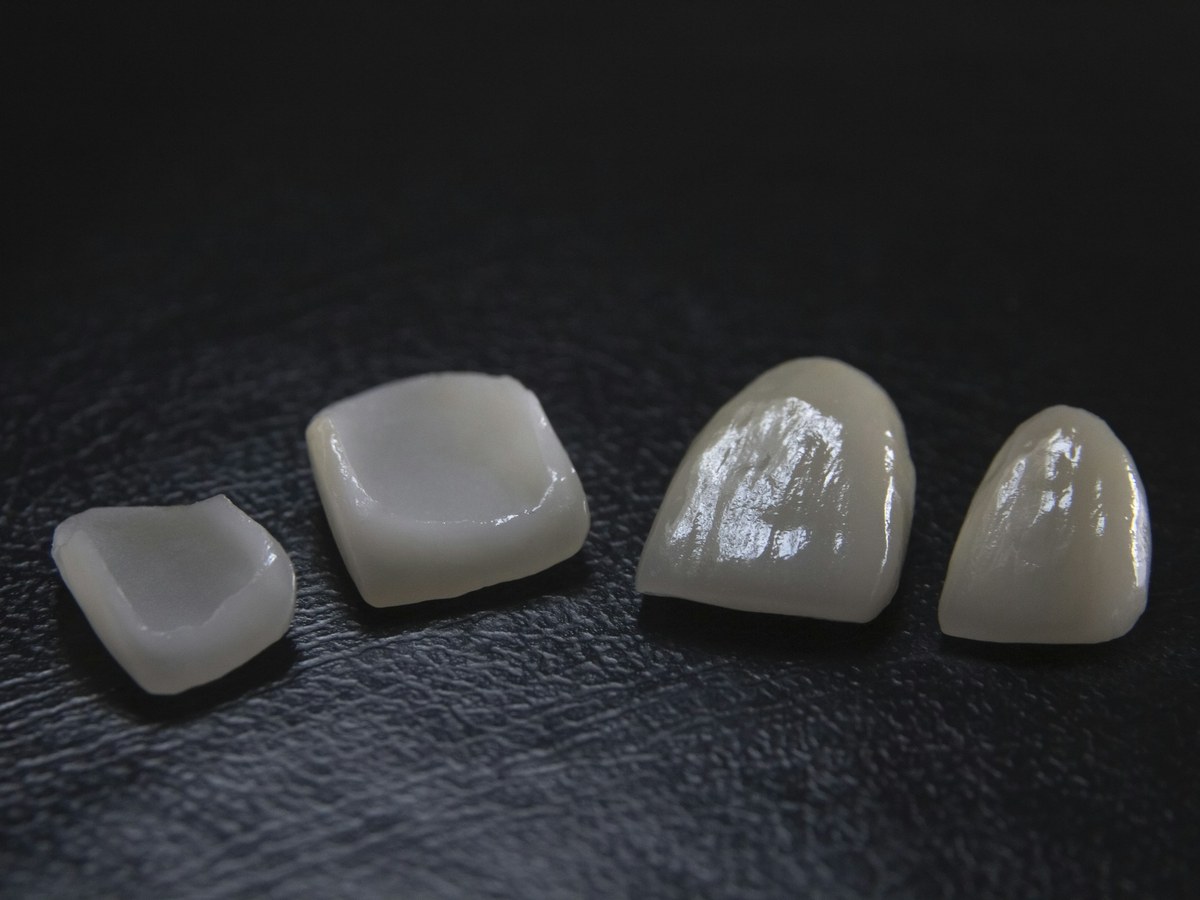
That balance is why so many adults explore Veneers Oxnard CA when they want lasting cosmetic improvement. Porcelain veneers are thin shells, custom made to fit the front surface of teeth. Once bonded in place, they change the visible color, shape, length, and contour of the smile. A skilled dentist can use them to make small changes or dramatic ones, depending on the patient’s goals.
They are especially helpful when several cosmetic issues happen at the same time. Consider the patient with old white spots from childhood fluorosis, one chipped front tooth, two slightly rotated lateral incisors, and uneven wear along the edges. Whitening might help the overall color, but not the spots. Bonding might fix the chip, but matching the shade and texture across multiple teeth can become difficult over time. Veneers offer a more unified answer.
That does not mean they are for everyone. Veneers are best when the underlying teeth are healthy enough to support them and when expectations are realistic. A patient with active gum disease, untreated decay, heavy grinding, or major bite problems may need those issues addressed first. Cosmetic work lasts longer when the foundation is stable.
What veneers can realistically fix
The strongest veneer cases are not always the most dramatic. Sometimes the biggest win comes from subtle refinements that let the smile relax into place. Veneers can help with several concerns at once:
- deep discoloration that does not respond well to whitening
- chipped, worn, or slightly misshapen front teeth
- small gaps or minor crowding in the visible smile zone
- uneven tooth length or asymmetry from one side to the other
- old bonding that keeps staining or breaking down
This is where judgment matters. If spacing is severe or bite issues are significant, orthodontics may be the better first step. If a tooth has a large filling, crack, or structural weakness, a crown may be more predictable than a veneer. Cosmetic dentistry works best when the treatment fits the biology, not just the patient’s wish list.
The consultation matters more than many patients expect
Most veneer success stories start long before anything is prepared. They start in the consultation room. A good cosmetic consultation is not a sales pitch. It is a diagnostic conversation. The dentist should look at facial symmetry, lip position, gum display, tooth proportions, midline, bite patterns, and signs of clenching or grinding. Shade preferences matter, but they are only part of the picture.
In real practice, one of the most common problems with disappointing veneer results is not poor craftsmanship. It is poor planning. Patients may come in asking for very white, very square teeth because that is what they saw online. Then the finished smile looks flat, bulky, or unnatural against their age, complexion, and facial movement. Teeth should not be designed in isolation. They should be designed to suit the person wearing them.
Photographs are often valuable at this stage. They let the dentist evaluate the smile at rest, in full expression, and from different angles. Digital previews or wax-ups can also help patients understand the direction of treatment. Those tools are useful, but they should support judgment, not replace it. A mock-up can show length and shape, but it cannot fully predict how a smile will feel once the patient starts speaking, laughing, and living with it.
For patients searching for Veneers Oxnard CA, this is one of the best ways to tell whether they are in capable hands. The conversation should feel specific, not generic. If the dentist is discussing your bite, habits, gum line, smile arc, and long-term maintenance, that is a good sign. If the entire focus is just “we can make them whiter,” that is not enough.
Porcelain versus composite, and why the distinction matters
Not all veneers are made the same way. Patients often use the word “veneers” broadly, but there is a meaningful difference between porcelain veneers and direct composite veneers.
Composite veneers are sculpted directly onto the teeth with tooth-colored resin. They are usually more affordable at the start and can be completed more quickly. They can work well for minor corrections, especially when minimal change is needed. The trade-off is that composite is generally more prone to staining, chipping, and wear over time. It also depends heavily on the artistic skill of the clinician placing it.
Porcelain veneers are fabricated outside the mouth, usually by a dental laboratory, and then bonded to the teeth. They tend to hold polish and color better, reflect light more naturally, and last longer when properly maintained. They also involve more planning and usually a higher investment up front.
For patients focused on durability, porcelain is often the stronger long-term choice. It is not indestructible, but it performs very well when the bite is managed and oral health is stable. In many cosmetic cases, the extra precision and longevity make porcelain worth the additional cost.
What the process usually looks like
The veneer process is not especially complicated, but it is meticulous. That difference matters. A simple procedure done carelessly can fail, while a detailed procedure done thoughtfully can look effortless for years.
The first appointment is usually the planning phase. Records are gathered, treatment goals are discussed, and photographs or impressions may be taken. In some offices, a trial smile or mock-up is part of the process, especially for larger cases involving several front teeth.
At the preparation appointment, the teeth are gently reshaped if necessary. Not every veneer requires the same amount of enamel reduction. In fact, one of the hallmarks of conservative cosmetic dentistry is preserving as much natural tooth structure as possible. Some cases need only minimal preparation. Others require more contouring to avoid bulky results and create a natural emergence profile.
Temporary veneers may be placed while the final porcelain is being fabricated. These temporaries are more than placeholders. They give the patient a chance to preview length, speech, comfort, and general appearance. When used well, they can reveal details that are easy to miss in photographs. A patient may realize a front tooth edge feels too long when speaking, or that a certain contour catches the lower lip in a way that feels unnatural.
At the final appointment, the veneers are tried in, evaluated, and bonded. Bonding is not a casual step. Moisture control, adhesive protocol, and fit all matter. Tiny errors in margin placement, cement cleanup, or occlusion can shorten the lifespan of otherwise beautiful work.
Patients are often surprised by how much attention goes into the bite at this stage. That is no accident. Cosmetic dentistry is not just about appearance. If the veneers are taking too much force during chewing or are hitting first during certain movements, they become vulnerable. Small adjustments can make a major difference in longevity.
How long veneers actually last
When people hear that veneers can last ten to fifteen years, sometimes longer, they may assume that timeline is guaranteed. It is better to think of longevity as a range shaped by several factors. Material quality matters. So does the amount of natural enamel available for bonding. Bite forces matter a great deal. So do habits like nail biting, chewing ice, or opening packages with the teeth.
A patient with healthy gums, excellent home care, and a stable bite may get many years from porcelain veneers. Another patient with untreated clenching and poor hygiene may run into trouble much sooner. The veneer itself may still be sound, but the surrounding gum tissue, bonding margins, or supporting tooth can become the weak link.
This is one reason aftercare should never be treated as an afterthought. Patients who invest in veneers should also invest in maintenance. Regular cleanings, exams, and occasional polishing help protect the work. If grinding is present, a night guard may be one of the smartest additions to the case. It is far easier to protect veneers than to replace them after preventable damage.
The role of color, shape, and restraint
One of the biggest misconceptions in cosmetic dentistry is that brighter always means better. It often does not. A smile can be very white and still look attractive, but if the shade is too opaque or the shape too uniform, the result can look manufactured.
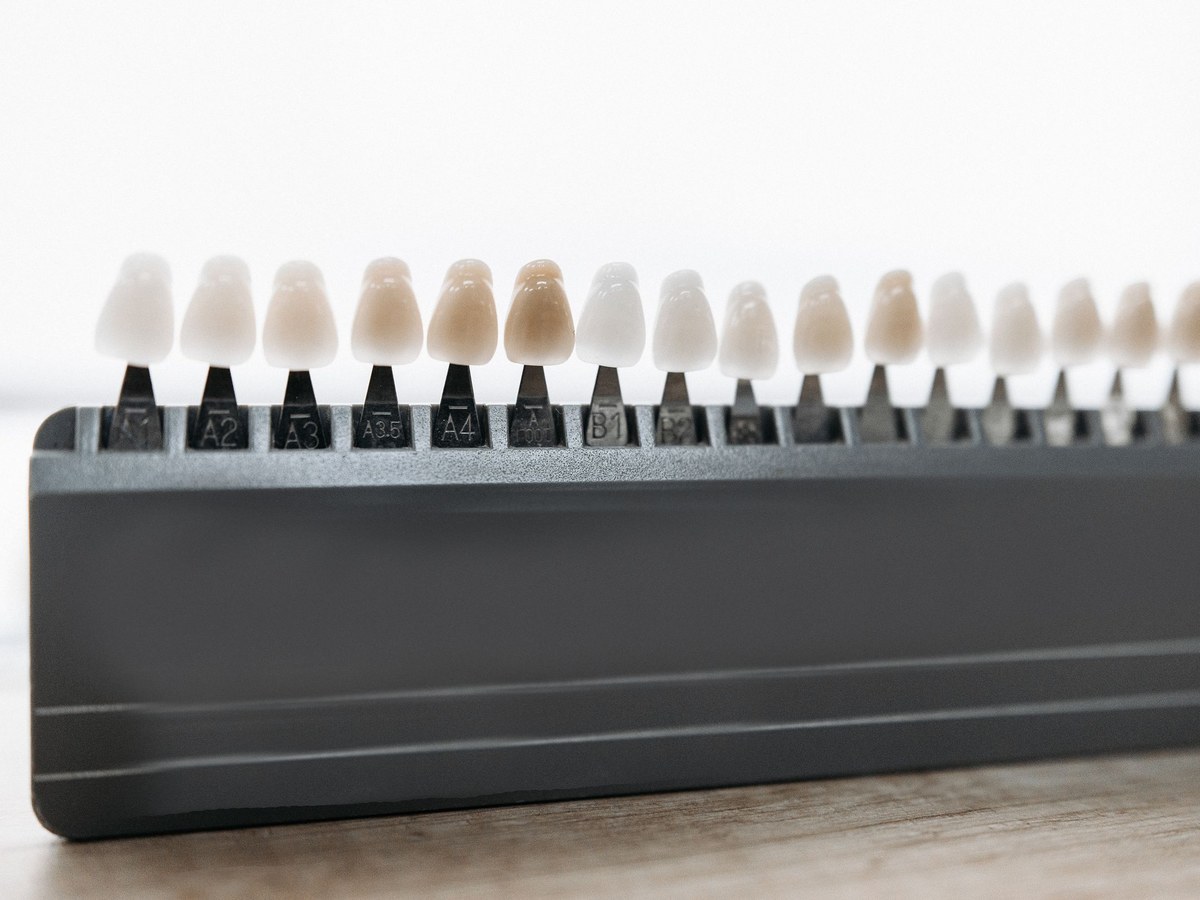
Natural teeth have depth. They are not one flat color from top to bottom. They reflect and transmit light in subtle ways. Good porcelain tries to mimic that character. Even when patients want a brighter smile, there is usually a point where “white” starts to overpower the face.
Shape is just as important. Not everyone suits the same incisal edge, the same degree of roundness, or the same central-to-lateral tooth proportion. Younger smiles often have more edge variation and translucency. Heavily worn smiles may need a bit more length restored. Men and women can both wear soft or strong contours depending on facial structure. There are trends in smile design, but a trend is not a treatment plan.
The most convincing veneer cases show restraint. They correct what needs correcting, then stop. That sounds simple, but it takes confidence. Overdesigned smiles often come from trying to make every tooth identical. Real beauty is usually more nuanced than that.
Cost, value, and what patients are really paying for
Veneers are an investment. In California, and particularly in coastal markets, fees can vary widely based on the dentist’s experience, the materials used, lab quality, number of veneers, and complexity of the case. It is reasonable for patients to compare costs, but cost alone can be a poor guide.
Part of what patients pay for is time. High-quality veneer work is time-intensive in the diagnostic phase, the preparation phase, and the finishing phase. Part of the fee also reflects the laboratory artistry involved. A skilled ceramist can make the difference between veneers that look flat and veneers that appear lifelike.
There is also value in case selection. An honest dentist may tell a patient that veneers are not the right first move. That conversation may reduce the immediate fee, but it often leads to better outcomes. If minor orthodontics or gum contouring would improve the result, skipping those steps can compromise the final appearance and longevity.
For patients researching Veneers Oxnard CA, it is worth asking not just “how much do veneers cost?” but “what is included in the planning, materials, temporaries, try-in process, and follow-up care?” Two quotes may sound similar until you look closely at what each office is actually providing.
Situations where veneers may not be the best answer
A seasoned clinician learns quickly that saying yes to every cosmetic request is not good dentistry. There are cases where veneers are less than ideal. A patient with severe enamel loss from acid erosion may need a broader restorative plan. Someone with highly mobile teeth from periodontal disease is not a veneer candidate until the gum condition is stabilized. A patient with major crowding may get a better result from orthodontics first, rather than aggressive tooth reduction to force the appearance of alignment.
Heavy grinders deserve special attention. Veneers can still work for them, but only if the risks are discussed honestly and protective measures are taken. Without a night guard and bite management, chipped porcelain and debonding become more likely. The same caution applies to patients who habitually chew pens, bite hard objects, or use their teeth as tools.
There is also the emotional side of cosmetic treatment. Patients who seek perfection often struggle the most after treatment, even when the result is objectively strong. Teeth are not machine parts. They exist in living tissue, move under function, and are seen from constantly changing angles and lighting conditions. The goal is improvement and harmony, not sterile perfection.
Caring for veneers so they stay beautiful
Once Veneers Oxnard CA veneers are in place, maintenance becomes part of protecting the investment. Daily care is not complicated, but consistency matters more than people think.
- brush gently with a non-abrasive toothpaste
- floss every day, especially around veneer margins
- keep regular hygiene and exam visits
- wear a night guard if clenching or grinding is an issue
- avoid using teeth to crack, pry, or tear objects
Patients sometimes assume that because porcelain does not decay, they can relax. The veneer may resist staining better than natural enamel, but the tooth underneath still matters. Decay can form at margins. Gums can become inflamed if plaque accumulates. A beautiful veneer over an unhealthy tooth is not a long-term success.
It is also worth noting that veneers age within the context of the entire mouth. Natural teeth can darken over time, while porcelain tends to hold its shade. That means a smile that looks perfectly blended at placement may need occasional reevaluation years later, especially if surrounding teeth change color or if other cosmetic work is added.
What to look for in a veneer provider
When patients search for Veneers Oxnard CA, they often focus first on before-and-after photos. Those images matter, but they should not be the only factor. Beautiful photos can show aesthetic taste, yet they do not reveal the full story of planning, function, or durability.
A better approach is to look for evidence of thoroughness. Does the office talk about bite analysis, mock-ups, temporaries, and material options? Are the smiles in the gallery varied, or do they all have the same overly bright, same-shaped look? Does the dentist explain alternatives, risks, and maintenance, or only the upside?
Communication style matters too. Cosmetic cases go more smoothly when patients feel heard. If someone says, “I want whiter teeth, but I do not want them to look fake,” that preference should guide design decisions. If another patient says, “I have always wanted a brighter Hollywood-style smile,” that is a different conversation. Good cosmetic dentistry is collaborative. The dentist brings technical skill and judgment. The patient brings goals, personality, and preferences.
A cosmetic change that can hold up for years
Veneers are popular for a reason. They can deliver a meaningful, visible upgrade in a relatively short timeframe, and when they are well planned, they tend to hold up beautifully. That combination is hard to match. Few cosmetic treatments can alter color, shape, alignment, and proportion with the same level of control.
Still, longevity does not happen by accident. It comes from careful diagnosis, conservative preparation, strong bonding, thoughtful design, and the kind of follow-up that protects the work long after the final appointment. Patients who approach veneers as both a cosmetic choice and a long-term dental restoration usually do best.
For anyone considering Veneers Oxnard CA, the smartest next step is not chasing the brightest smile or the lowest quote. It is finding a clinician who understands the difference between flashy dentistry and durable dentistry. The best veneer cases are the ones people notice for the right reason. They do not think, “those must be veneers.” They think, “that smile looks healthy, balanced, and completely natural.” That is the kind of cosmetic upgrade worth making, and worth keeping.
Oxnard Dentistry
1730 E Gonzales Rd, Oxnard, CA 93036, United States
+1 805-307-8731
FAQ About Veneers Oxnard CA
How long do porcelain veneers last?
Porcelain veneers can last for many years, but they can chip, loosen, or wear over time. Their lifespan depends on factors such as your bite, whether you grind your teeth, and daily care. Regular dental visits let your dentist check their condition.
Are dental veneers permanent?
Traditional veneers often require removing a small amount of enamel, so that change to the tooth is generally irreversible. Veneers can still need repair or replacement. Ask your dentist how much preparation your teeth would require.
How much do veneers cost in Oxnard?
Cost depends on the material, how many teeth you want treated, and whether you need other dental work first. Ask for a written estimate that explains the price per tooth and what is included.