Wisdom Teeth Removal and Swelling Relief Strategies
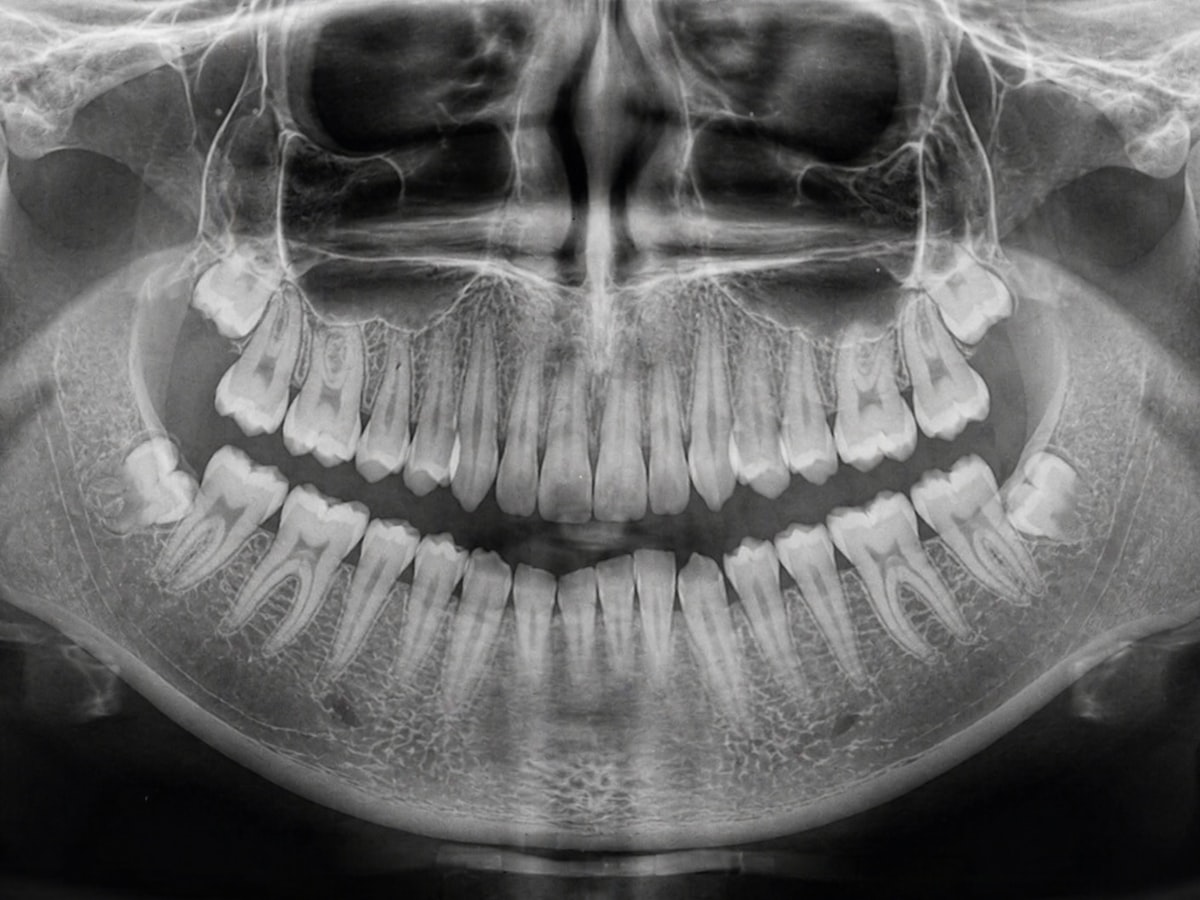
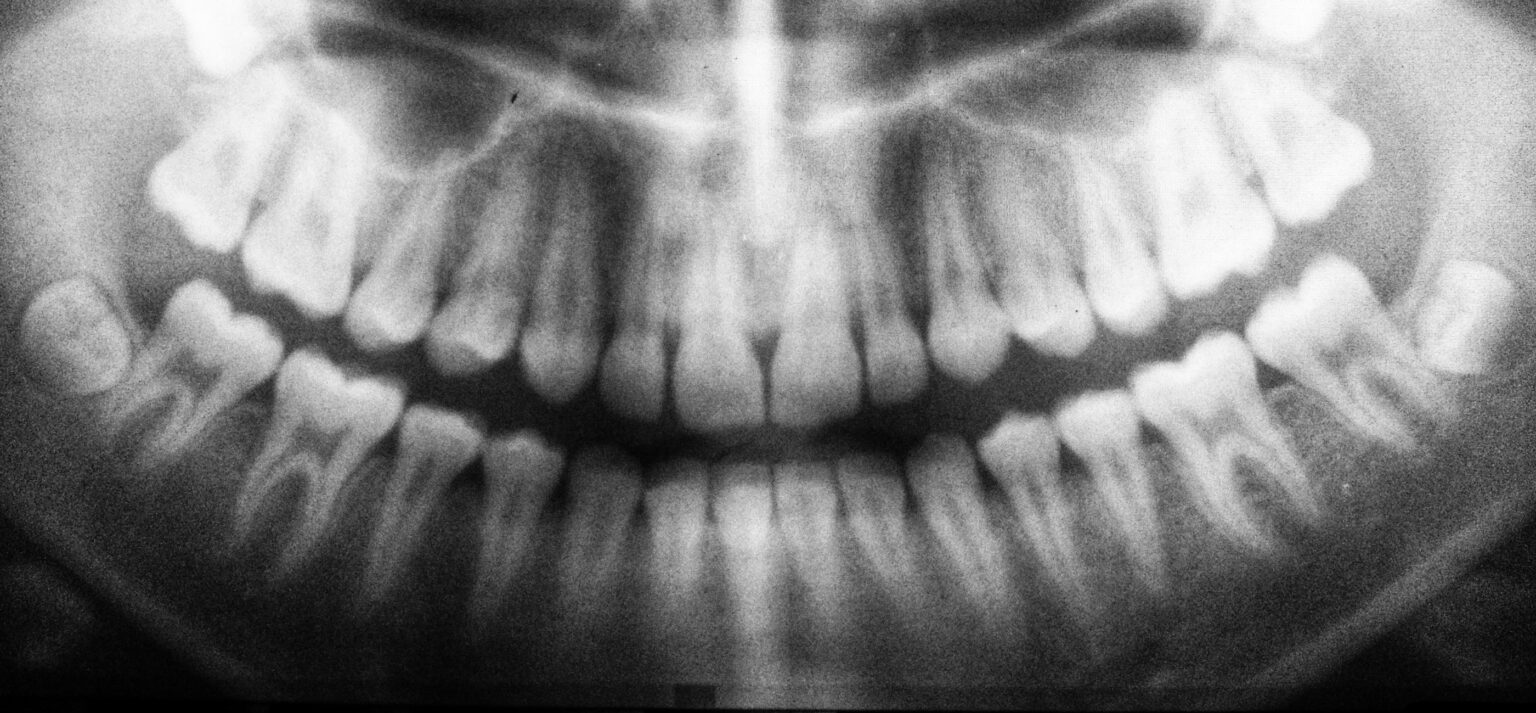
Wisdom Teeth Removal is one of those procedures people tend to underestimate until they have actually been through it. The surgery itself is usually straightforward. The recovery, especially the swelling, is what catches many patients off guard. A person walks into the appointment thinking mostly about the extraction and possible pain, then spends the next two or three days looking in the mirror and wondering why their cheeks seem to have doubled in size.
That reaction is normal. Swelling after wisdom tooth extraction is not a sign that something went wrong. It is the body doing exactly what it is supposed to do after tissue has been disturbed. Blood flow increases, inflammatory cells move in, and fluid collects in the area as healing begins. The challenge is not eliminating swelling altogether, because that is unrealistic. The real goal is keeping it within a manageable range, reducing discomfort, and spotting the difference between normal post-operative puffiness and something that needs a call to the oral surgeon.
The good news is that a smoother recovery often comes down to a handful of practical choices made in the first 72 hours. Patients who understand those choices usually do better than patients who simply wait it out.
Why swelling happens after wisdom teeth removal
Swelling is part of the inflammatory response. During Wisdom Teeth Removal, the surgeon may need to make an incision in the gum, remove bone around the tooth, or section the tooth into pieces before lifting it out. Even when the procedure is routine, the body reads that work as trauma and sends in the repair crew.
The amount of swelling varies for understandable reasons. Impacted lower wisdom teeth often cause more swelling than fully erupted upper ones. A longer procedure usually means more tissue manipulation. Age matters too. Teenagers and young adults often recover faster than patients in their thirties or forties, whose bone is denser and healing can feel slower. A person who already has inflammation from repeated infections around a partially erupted tooth may also swell more.
Most people notice the swelling building during the first day, peaking around 48 to 72 hours after surgery, then gradually easing over the next several days. That timeline surprises people because they expect the worst to be over as soon as the numbness fades. In practice, day two and day three are often the puffiest days, even if pain is controlled.
What normal swelling usually looks and feels like
Typical swelling is usually symmetrical if both sides were treated, though one side can swell more if one extraction was more difficult. The cheeks may feel full, tight, and warm. Opening the mouth wide can be uncomfortable. Some people also notice a stiff jaw, mild bruising on the cheek or neck, and tenderness when swallowing. Those symptoms can be unsettling, but they are common after lower wisdom teeth come out.
A patient once described it well by saying, “It didn’t feel dangerous, it just felt crowded.” That is often the right word for it. The tissues feel congested and stretched. Eating, speaking, and smiling take more effort. The face may look noticeably different in photographs for a few days, but that visual change alone does not mean a complication.
What is less typical is swelling that keeps increasing after day three, especially if it comes with fever, foul-tasting drainage, worsening rather than improving pain, or difficulty breathing. Those features change the conversation and deserve attention promptly.
The first day matters more than most people think
The earliest phase of recovery is where small habits have an outsized effect. Patients often focus on medication and forget the basics: cold therapy, rest, hydration, and keeping pressure stable on the extraction sites. If those basics are handled well, the next few days tend to go more smoothly.
Cold works best before swelling reaches full force. Once the cheeks are already markedly swollen, ice feels soothing but has less power to limit the inflammatory buildup. That is why oral surgeons usually recommend starting cold compresses right away, often in intervals for the first 24 hours. A soft ice pack, a bag of frozen peas wrapped in a thin towel, or a gel pack can all work. The key is protection for the skin and consistency.
Rest matters for a less glamorous reason: activity increases circulation and blood pressure, which can encourage more swelling and bleeding. Patients who feel decent a few hours after surgery sometimes decide to run errands, clean the house, or work from a laptop while hunched over. That tends to backfire. Recovery is usually easier when the first day is treated like an actual recovery day.
The strategies that reliably help
There is no magic trick for swelling relief, but some measures are consistently effective when they are used at the right time and in the right order.
- Use cold compresses during the first 24 hours, usually in short cycles such as 15 to 20 minutes on and 15 to 20 minutes off.
- Keep your head elevated when resting or sleeping, ideally with an extra pillow or by slightly raising the upper body.
- Take prescribed or recommended anti-inflammatory medication exactly as directed, rather than waiting for discomfort to become intense.
- Drink enough fluids and choose soft foods that do not require hard chewing or wide mouth opening.
- Switch to warm compresses after the first day if the surgeon recommends it, especially once swelling has peaked and jaw stiffness becomes more bothersome.
Each of these works for a different reason. Cold narrows blood vessels and slows the early inflammatory response. Elevation reduces fluid pooling in the face. Anti-inflammatory medication addresses the biochemical side of swelling. Hydration supports normal Wisdom Teeth Removal circulation and healing. Warmth, once the early period has passed, can improve comfort and help loosen a stiff jaw.
Patients sometimes ask whether they should use ice longer than a day or two because it still feels good. Comfort is fine, but from a swelling-control standpoint, the benefit drops after the first phase. By then the body has already moved into active healing. At that point, gentle warmth often gives more relief than persistent cold, especially for patients who can barely open their mouths enough to get a spoon in.
Medication can help, but timing is everything
A common mistake is waiting to see how bad things get before taking anti-inflammatory medication. By the time swelling and pain are fully established, patients are already chasing symptoms instead of staying ahead of them. If the surgeon recommends ibuprofen, or prescribes another anti-inflammatory, it generally works best when started on schedule unless there is a medical reason not to take it.
That does not mean everyone should self-medicate casually. Some patients cannot take nonsteroidal anti-inflammatory drugs because of ulcers, kidney disease, blood-thinner use, or other medical concerns. Others may receive a different plan altogether. The safe rule is simple: follow the instructions given for your case. If instructions are unclear, call and ask before improvising.
Steroids are sometimes prescribed for more involved extractions to reduce swelling. When they are used, patients often notice a meaningful difference, especially on the second day. But steroids are not routine for every case, and they are not a substitute for good aftercare. A person who skips fluids, lies flat, and overexerts themselves can still swell significantly even with solid medication support.
Eating without making swelling worse
Food choices after Wisdom Teeth Removal influence both comfort and recovery. The first day is rarely the time for heroic nutrition goals. Most people do best with cool or lukewarm, soft foods that can be swallowed with minimal chewing. Yogurt, applesauce, smoothies eaten with a spoon, mashed potatoes, oatmeal once it has cooled, scrambled eggs, and blended soups all tend to work well.
Temperature matters. Very hot food can increase bleeding and feel unpleasant on fresh surgical sites. Texture matters just as much. Crunchy, seedy, or brittle foods can break into fragments and irritate the area. One patient told me the worst recovery decision she made was trying to eat toast on day two because she Wisdom Teeth Removal was “tired of mush.” The crumbs were annoying, chewing made the jaw throb, and the entire experience felt more exhausting than satisfying.
Hydration deserves its own mention because people frequently fall short. Dry mouth feels worse, swallowing becomes less comfortable, and fatigue creeps in. Small, steady sips are often easier than trying to drink a large glass at once. If nausea is part of the picture, room-temperature water may go down more easily than icy drinks.
Straws remain a bad idea during the early healing phase because the suction can disturb the blood clot in the socket. That clot is not just a bit of residue. It is a biological dressing, and keeping it in place is part of preventing dry socket, one of the more painful complications after extraction.
Sleeping position is a surprisingly big deal
Many patients have a decent first evening, only to wake up the next morning more swollen and more uncomfortable. Part of that is normal progression, but sleeping flat can add to it. Elevation helps limit fluid accumulation in the face overnight. It does not need to be dramatic. An extra pillow, a wedge pillow, or a reclined position can make a real difference.
People who sleep on their side sometimes notice that the lower side feels more swollen or tender in the morning, especially if they had extractions on both sides. That does not mean they harmed anything, but it is another reason a more upright, centered sleeping position is helpful for the first few nights.
Sleep quality also affects pain perception. A tired patient usually feels everything more intensely, including swelling, jaw stiffness, and throat soreness. Good rest is not just comforting, it is functionally part of recovery.
Jaw stiffness, bruising, and that “can’t open my mouth” feeling
Swelling after wisdom tooth surgery is not limited to the visible cheek area. The muscles used for chewing can become irritated and tight, especially when lower impacted teeth are involved. This can lead to trismus, a reduced ability to open the mouth. Patients often think something is locked or damaged, when in many cases the muscles are simply reacting to nearby inflammation.
This is where the transition from cold to warmth can be helpful. After the initial 24 hours, warm compresses may relax the jaw muscles and improve range of motion. Gentle movement helps too. Not aggressive stretching, not forcing the mouth open against pain, but gradual use. Talking a bit more, eating soft foods that require some natural movement, and slowly opening the jaw within comfort can prevent the area from getting stiffer.
Bruising can appear late and travel downward with gravity. A yellow, green, or purple patch along the jawline or upper neck a few days after surgery can look dramatic but often reflects normal healing. It is one of those details that catches people off guard because nobody expects a tooth extraction to leave a neck bruise. Yet when lower wisdom teeth are difficult to remove, it is not unusual.
When swelling crosses into a warning sign
The line between normal recovery and a problem is not always obvious to patients, especially if this is their first oral surgery. A useful rule is to watch the trend, not just the size. Swelling that peaks by the third day and then slowly improves is usually on track. Swelling that is significantly worse after that point, especially with increasing pain or systemic symptoms, deserves a call.
Here are the signs that should not be brushed off:
- Swelling that continues to enlarge after about 72 hours instead of beginning to settle.
- Fever, chills, or feeling distinctly unwell rather than merely sore and tired.
- Pus, foul-smelling drainage, or a persistently bad taste that suggests infection.
- Trouble swallowing saliva, breathing, or opening the mouth enough to take fluids.
- Bleeding that does not slow despite following post-operative instructions.
Dry socket deserves a brief clarification because it is often confused with swelling. Dry socket usually presents as significant, deep, throbbing pain a few days after extraction, often with pain radiating to the ear, and typically after the blood clot has been lost. It is not primarily a swelling problem. Some swelling may still be present, but the hallmark is the pain pattern.
The role of oral hygiene in swelling control
Cleanliness matters, but timing and technique matter more. On the day of surgery, most surgeons want patients to leave the area mostly alone aside from the specific instructions they were given. Vigorous rinsing too early can disturb clot formation. By the next day, gentle saltwater rinses are often introduced to keep the mouth cleaner and reduce irritation from food debris.
A mouth that is dirty tends to stay inflamed. That does not automatically mean infection, but it can prolong tenderness and make swelling feel worse. Gentle brushing of the other teeth, careful cleaning of the tongue, and saltwater rinses after meals usually help without traumatizing the surgical sites.
Patients sometimes avoid brushing almost entirely because they are afraid to get near the extraction area. That is understandable, but it often leads to a stale, coated mouth that feels worse each day. Thoughtful hygiene improves comfort, breath, and confidence, all of which matter during recovery.
Different patients recover differently
There is no single template for swelling after Wisdom Teeth Removal. A healthy 17-year-old with four erupted wisdom teeth taken out under light sedation may be back to ordinary routines much faster than a 34-year-old with deeply impacted lowers removed after recurrent infections. Both recoveries can be normal. They just follow different curves.
Smoking slows healing and raises the risk of complications. So does vaping, despite the persistent myth that it is somehow gentler on extraction sites. Suction, heat, and chemical exposure all work against smooth healing. Patients who stop for even a few days around surgery usually fare better than those who try to resume immediately.
Hormonal shifts, stress, poor sleep, and dehydration also influence how swollen a person feels. Some patients bruise easily and look much worse than they actually feel. Others have modest swelling but more jaw stiffness than expected. Looking puffy in a mirror is only one part of the recovery picture.
A realistic recovery timeline
It helps to know what most people can expect. The first 24 hours are usually about bleeding control, numbness fading, and getting comfortable. Day two and day three are commonly the peak swelling days. Between day four and day seven, the face generally starts to look more familiar, though the jaw may still feel stiff and the extraction sites may remain tender. By the end of the first week, many patients are clearly improving, even if they are not fully back to normal.
Full tissue remodeling takes much longer. The gum may look mostly healed within a couple of weeks, while deeper bone healing continues in the background for months. That longer timeline is not something patients need to feel every day, but it explains why the sockets can trap food for a while and why the area may remain mildly sensitive long after the obvious swelling is gone.
Small decisions that make a big difference
The people who do best after Wisdom Teeth Removal are rarely the ones with the easiest anatomy alone. They are often the ones who respect the first few recovery days. They keep ice on schedule, take medications properly, drink water even when they do not feel like it, sleep with their head elevated, avoid vigorous rinsing and straws, and call the office when something feels off instead of hoping a red flag will disappear on its own.
Swelling is not the enemy. It is evidence that healing has started. The problem is uncontrolled swelling, or swelling paired with signs that the recovery is leaving the normal path. When patients understand that distinction, they usually feel less anxious and make better choices.
Most recoveries are uneventful. The cheeks puff up, the jaw stiffens, the mirror gives a few unflattering angles, and then things slowly settle. A week later, many patients are surprised by how much better they look and feel. The body is usually more capable than people give it credit for. It just responds best when given the right conditions.
Oxnard Dentistry
1730 E Gonzales Rd, Oxnard, CA 93036, United States
+1 805-307-8731
FAQ About Wisdom Teeth Removal
How painful is it to remove a wisdom tooth?
Local anesthetic numbs the area during extraction. Pressure may still be noticeable; tell the dentist if you feel pain. Soreness and swelling afterward are common. Follow the pain-control instructions provided for your situation.
How long is recovery for wisdom teeth extractions?
Recovery varies with the tooth position and complexity of the extraction. Some people resume routine activities quickly, while others need several days of rest. Soreness, swelling and jaw stiffness can last up to two weeks. Follow your clinician's aftercare and activity advice.
What are the risks of wisdom tooth removal?
Possible complications include dry socket, infection, persistent bleeding and changes in sensation from nearby nerve injury. Your dentist or oral surgeon should explain your individual risks before treatment. Seek prompt dental advice for bleeding that will not stop, fever, or severe or worsening pain and swelling.